Year-round business tax strategy
Tax planning that keeps up with the business you're building.
Year-round tax planning for Kansas City contractors and established $2M+ business owners. Talk with Dan about fit, timing and the next decision your business needs to make.
Choose the appropriate consultation on Dan's scheduling page, or send a brief inquiry.

Built for serious decisions
Planning for construction owners whose tax choices touch job timing, payroll, equipment, cash flow, and growth.
Why the niche matters
Contractors have different tax problems than generic small businesses.
Core services
Built around the tax questions that cost contractors real money.
Contractor tax strategy
Planning around jobs, crews, equipment, owner pay, subs, and cash flow.
See service →
Construction tax services
Tax prep and advisory built for construction companies with moving parts.
See service →
Construction bookkeeping
Cleaner books for job costs, equipment, subcontractors, and tax-ready numbers.
See service →
Homebuilders and remodelers
Tax planning for project timing, materials, subs, draws, and owner decisions.
See service →
Established business owners
Strategy for $2M+ owners who need guidance before decisions are final.
See service →
Kansas City tax strategy
Local planning for contractors and business owners across the KC metro.
See service →
Planning cadence
A tax strategy relationship should have a rhythm.
The best contractors don't wait until March to ask tax questions. They review the numbers while decisions can still be made, documented, and timed correctly.
Quarterly tax position review
Review profit, owner pay, estimates, payroll, and cash needs while there's still time to make decisions.
Decision support before large moves
Talk through equipment, vehicles, financing, hiring, entity questions, and subcontractor issues before they hit the return.
Year-end planning without the scramble
Close the year with clearer records, cleaner estimates, and fewer surprise conversations during filing season.
How Valor helps
Strategy before the return. Clarity before the big purchase.
Work directly with the CPA who prepares your return.
Valor reviews the decisions that shape a contractor's tax position: entity structure, owner compensation, equipment timing, subcontractor documentation, estimates, and cash flow.
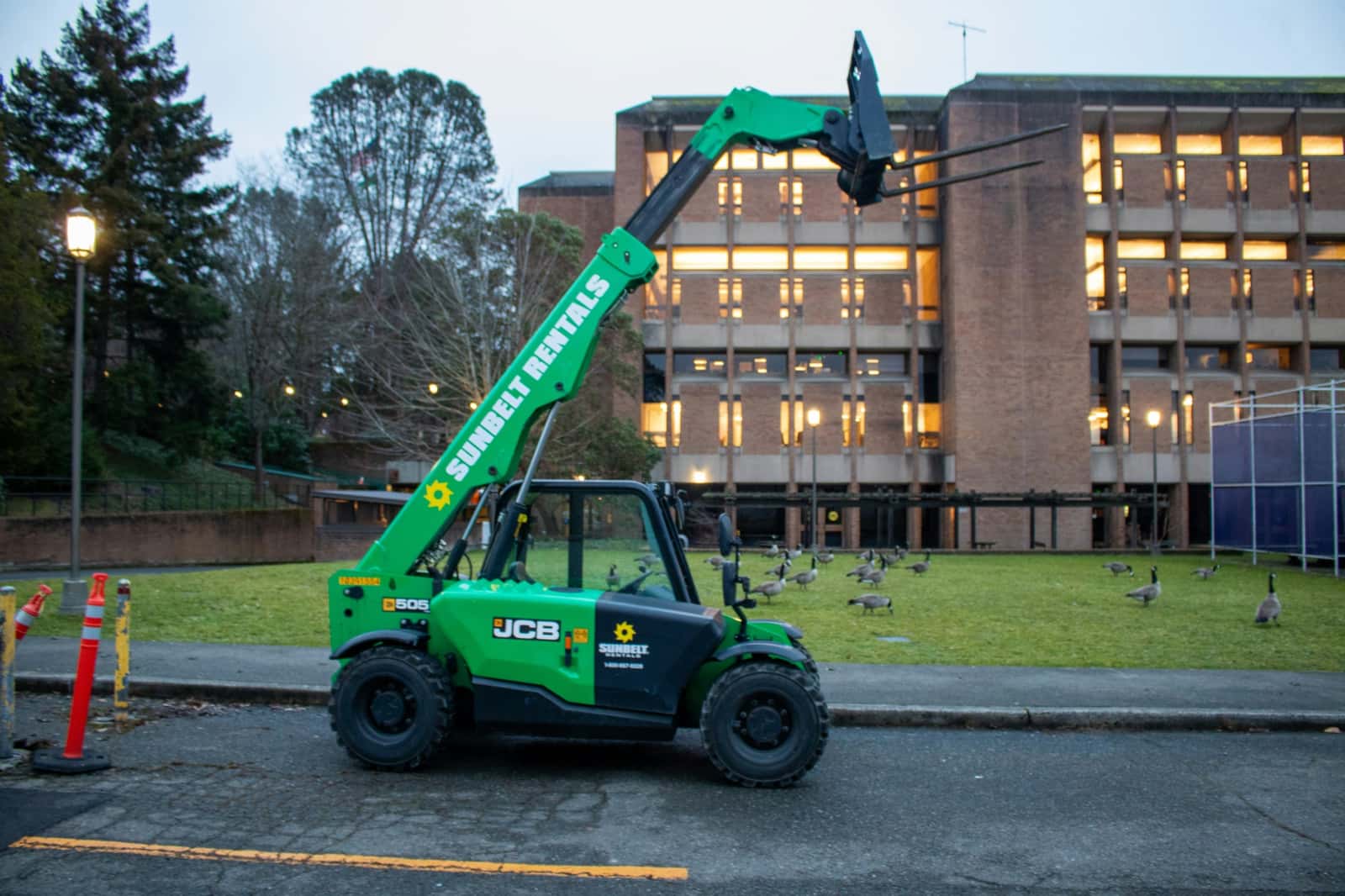
Major equipment, vehicles, financed machinery, and year-end purchases should be reviewed before the paperwork is signed so the deduction, cash flow, and next-year tax picture all make sense.
Resource strategy
Articles that answer the questions owners are already asking.
Contractor Tax Strategy
What Does a Work in Progress Report Tell a Construction Business Owner?
A work in progress report, often called a WIP report or WIP schedule, shows where each open construction job stands financially. It brings together the contract amount, costs incurred, estimated costs to finish, and billings to date.
Contractor Tax Strategy
How Should Contractors Account for Change Orders in Tax Planning?
A change order can add revenue to a job without adding cash to the bank right away. Materials may need to be purchased, crews may work extra hours, and payment may arrive well after the added work begins. If a contractor updates the contract price but doesn’t update the job’s costs and projected profit, tax planning can start with the wrong numbers.
Choosing a Tax Pro
Grant Thornton's Planned CBIZ Acquisition: Questions Kansas City Business Owners Should Ask
What the announced transaction means for an engagement review, which questions to ask your current firm, and how to decide whether staying or exploring a change fits your business.
Contractor Tax Strategy
How Often Should a Contractor Meet With Their CPA?
Ask a room full of contractors when they last talked to their CPA and most of them will name a date in the spring. The return got filed, a bill got paid, and everyone went quiet until next year.
Next step
Ready for tax strategy that works before tax season?
Tell Valor what kind of business you own, where the complexity is showing up, and what you need to make cleaner decisions this year.